Ngaf Er Ngodan hero

Ngaf, Er & Ngodan Islands

Three Wild Islands of Pristine Reefs and Land Crabs

Overview

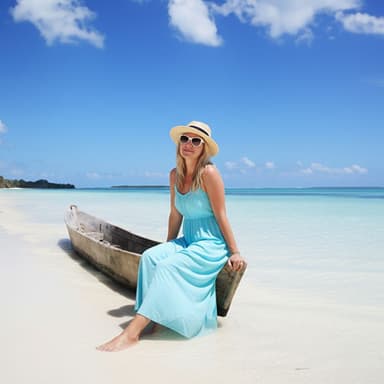
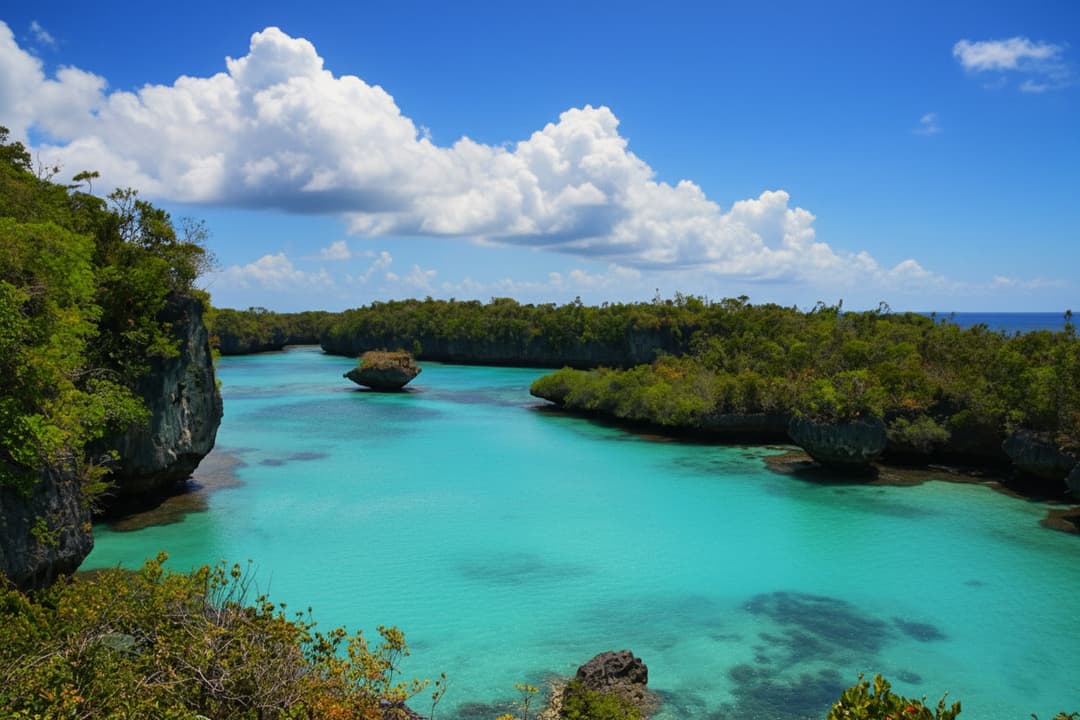
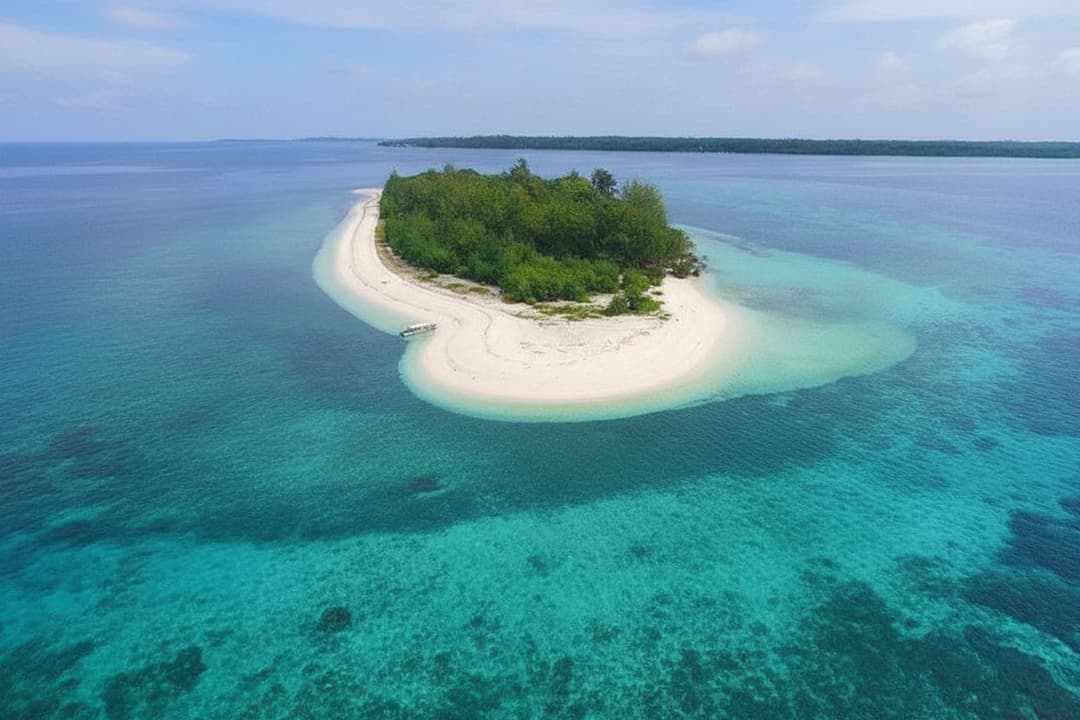
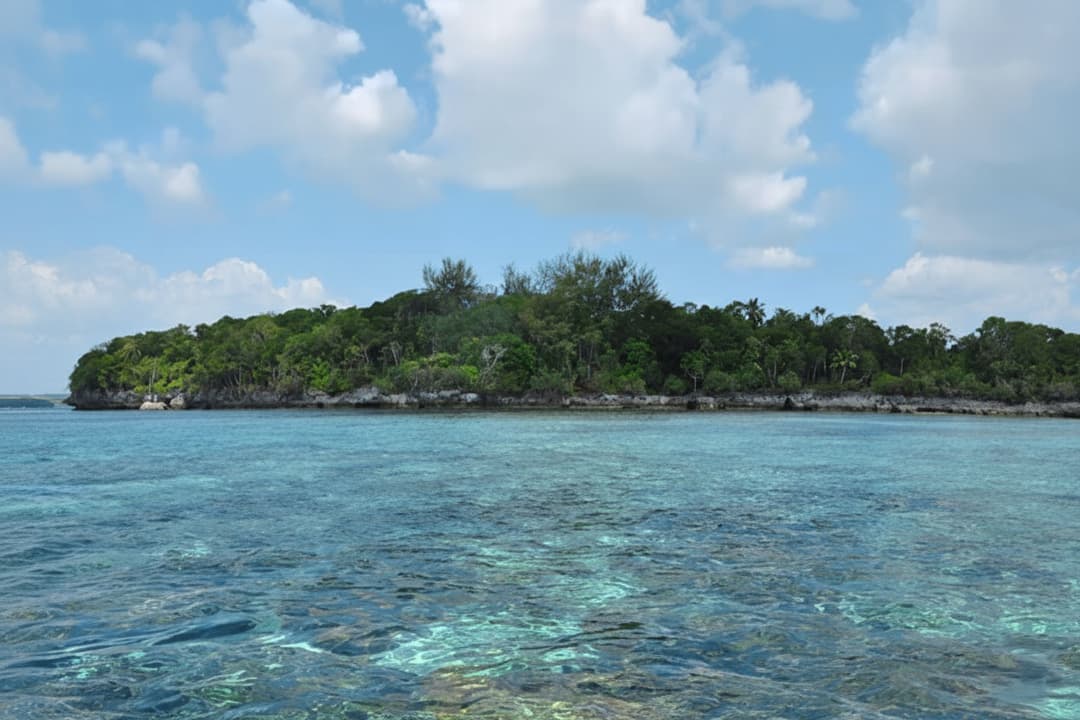
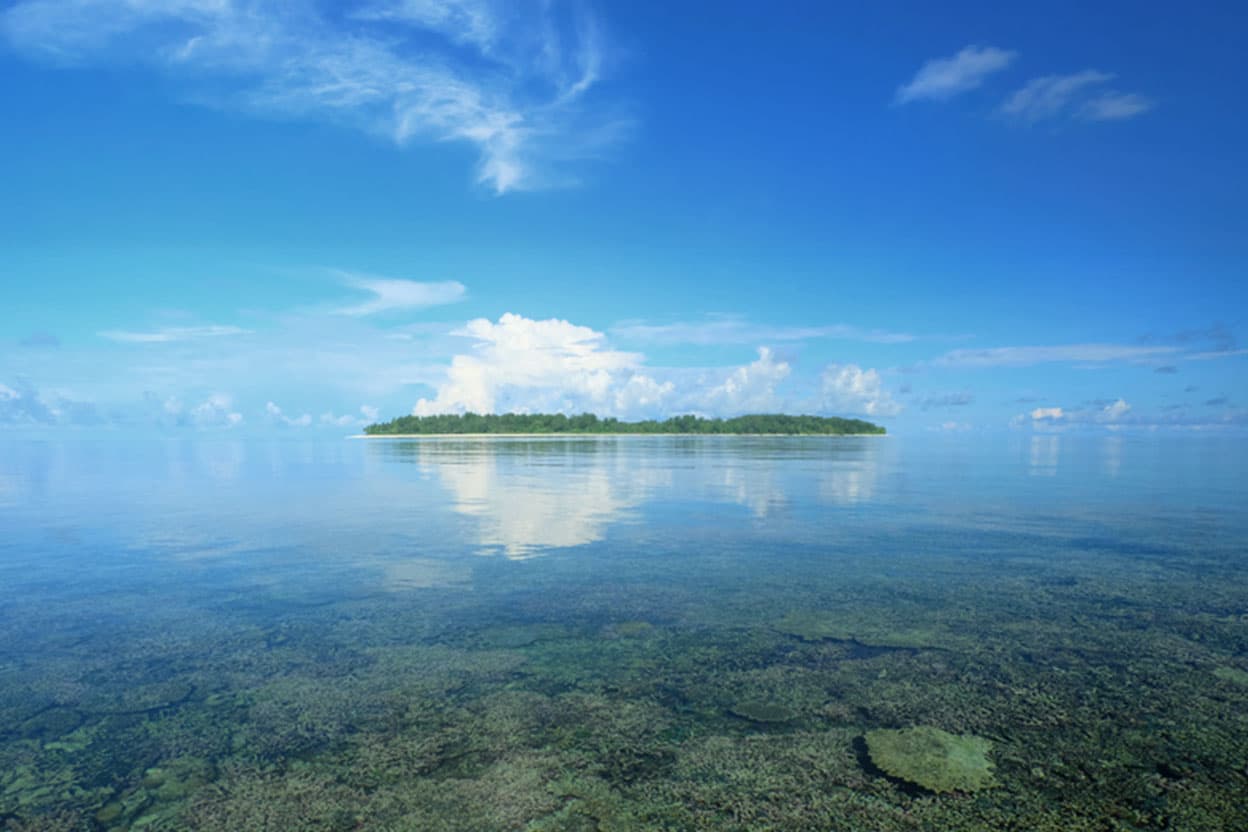
Ngaf, Er, and Ngodan are three small, largely uninhabited islands scattered across the waters near Kei Kecil. Together they offer some of the most untouched natural experiences in the archipelago. These islands are renowned for their pristine coral reefs teeming with marine life, making them exceptional snorkeling destinations. On land, the islands are home to fascinating populations of land crabs that roam freely through the coastal forests. With no development and virtually no tourist infrastructure, visiting these islands feels like stepping into a wild, unspoiled corner of the world.
Ngaf Er Ngodan gallery

How to get there

These three islands are only accessible by boat. Arrange a day trip with a local boat operator from your accommodation or from the main harbor areas around Langgur or Tual. The journey typically takes 1-2 hours depending on which islands you visit and sea conditions. Many operators can combine all three islands into a single day trip.

  • Boat rental: Ask your homestay or local contacts to arrange a multi-island boat trip.
  • Plan ahead: Coordinate with your boat operator on the itinerary and stops.
  • Bring cash! There are absolutely no facilities or ATMs on any of these islands.
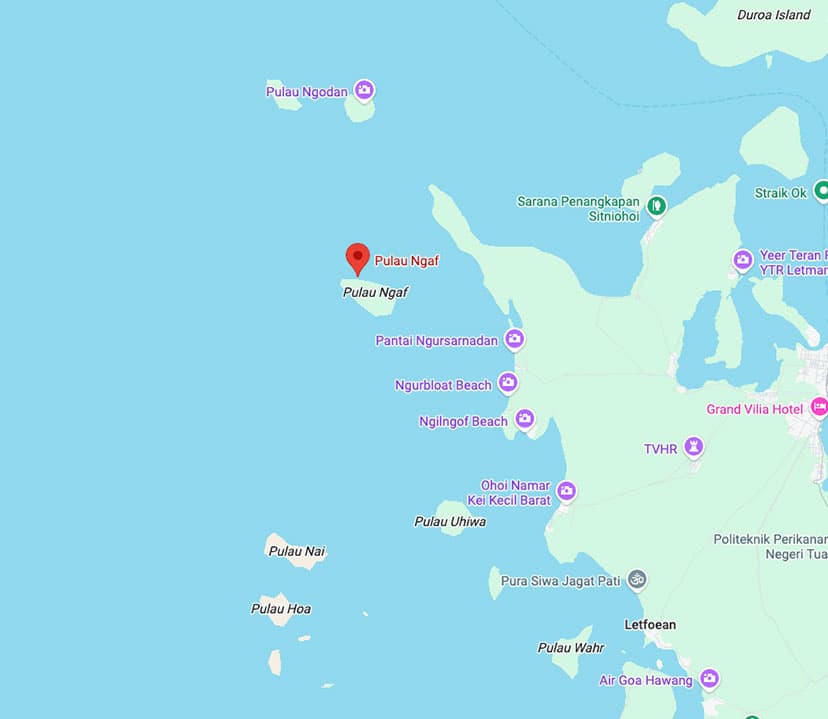
Ngaf Er Ngodan map placeholder

Interactive map of Ngaf, Er & Ngodan Islands.

Where to sleep near Ngaf, Er & Ngodan

There is no accommodation on any of these three islands. Visitors typically stay at beachfront cottages along Pasir Panjang, boutique villas in Ohoidertawun, or practical hotels in Langgur/Tual and arrange day trips by boat.

Best time to visit

October through April generally provides the calmest seas and best visibility for snorkeling. Clear, sunny days are essential for appreciating the underwater reefs and the vivid colors of these wild islands. Wind and rain can make boat crossings uncomfortable, so always check local weather conditions before heading out.

What to bring

  • Reef-safe sunscreen and protective rash guard
  • Plenty of water and packed food (no vendors anywhere)
  • Snorkeling gear (mask, snorkel, fins)
  • Sturdy water shoes for rocky shorelines
  • Trash bags (pack out everything you bring)
  • Camera with waterproof housing for reef and crab photos

Things to do

Snorkeling the Pristine Reefs

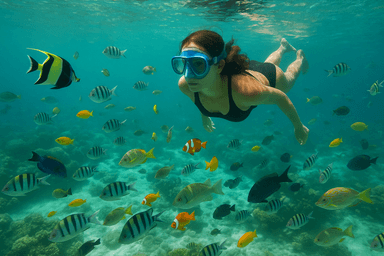
Explore some of the healthiest coral reefs in the Kei Islands, teeming with colorful fish and marine creatures.

Land Crab Watching

Observe fascinating land crabs in their natural habitat as they roam the forest floors and coastal rocks.

Island Hopping

Visit all three islands in a single day trip, each offering its own unique character and scenery.

Nature Photography

Capture raw, unspoiled tropical landscapes, underwater scenes, and unique wildlife moments.

Beach Exploration

Walk along untouched shorelines, discover hidden coves, and enjoy complete solitude.

Where and What to eat at Ngaf, Er & Ngodan

There are no restaurants or food vendors on any of these islands. You must bring all food and water for your trip. If arranged in advance, your boat operator may help organize a beach BBQ with freshly caught fish. Feel free to contact us (Click Here)
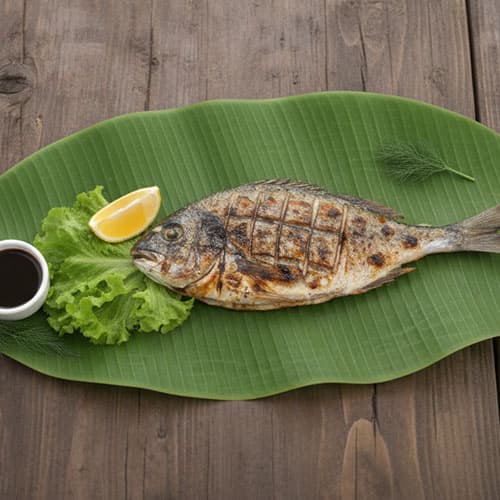
Grilled Fish

Grilled Fish

Fresh, delicious, and always available, grilled fish is prepared with expert hands and is an absolute must-try.

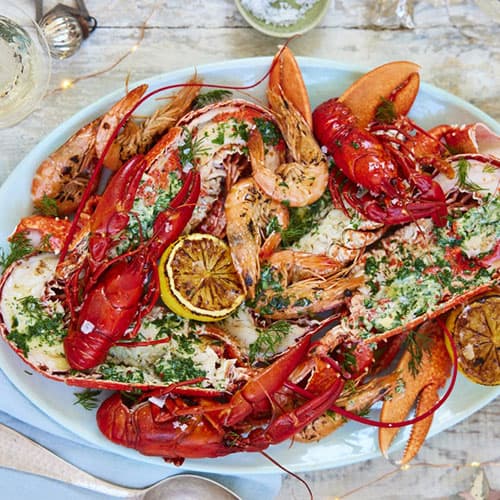
Lobster, Prawns or Shrimps

Lobster, Prawns or Shrimps

Grilled or fried, often caught the same day. Ask your homestay or a beach warung.

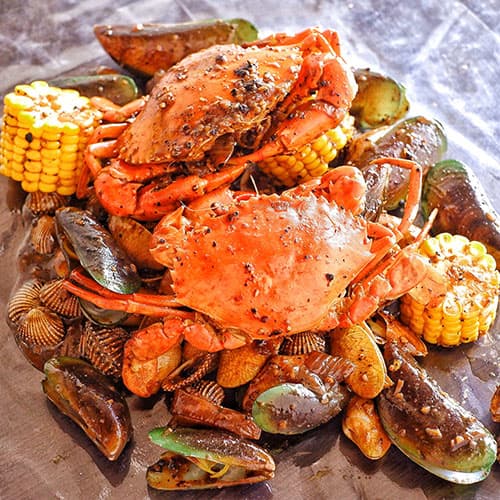
Clams & Crabs

Clams & Crabs

Commonly served in coconut-based sauces or simply steamed with spices.

Pisang Goreng Embal

Pisang Goreng Embal

Local fried banana fritters made with sago flour—crispy, sweet, and unique to Kei.

Petatas Goreng

Petatas Goreng

Fried cassava or potato bites, usually eaten as a snack with sambal.

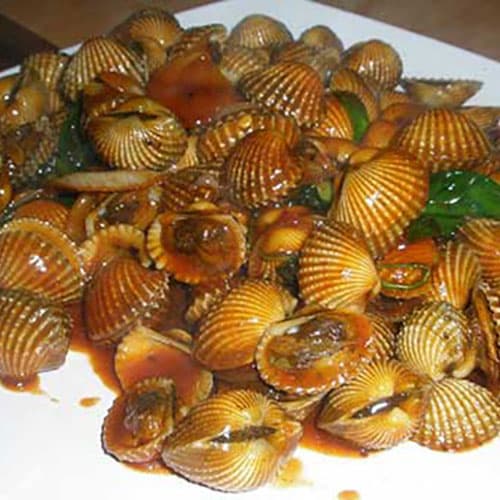
Bia Shellfish

Bia Shellfish

Tiny clams gathered along the shore; often boiled or stir-fried with chili.

Tip: Most meals are arranged through homestays or small family stalls. Bring cash, and be prepared for simple but delicious local cooking.

Tips & etiquette

  • Leave no trace: These islands are completely wild. Pack out every piece of trash you bring.
  • Do not disturb the land crabs or remove any wildlife from the islands.
  • Respect the coral reefs: avoid touching, stepping on, or breaking coral while snorkeling.
  • Sea conditions can change rapidly. Always follow your boat operator's safety advice.

FAQ

Can I camp on these islands?

Camping is not officially organized, but technically possible. You would need to be fully self-sufficient with all supplies, and coordinate with local authorities or your boat operator.

Are the land crabs dangerous?

No, the land crabs found on these islands are generally harmless. Observe them from a respectful distance and do not handle them.

How long does a day trip take?

A full day trip covering all three islands typically takes 6-8 hours, including boat travel and time spent snorkeling and exploring each island.

Is snorkeling gear available for rent?

Basic snorkeling gear may be available through some boat operators or homestays, but it is best to bring your own to ensure quality and fit.